
Field Quality
Assurance Testing
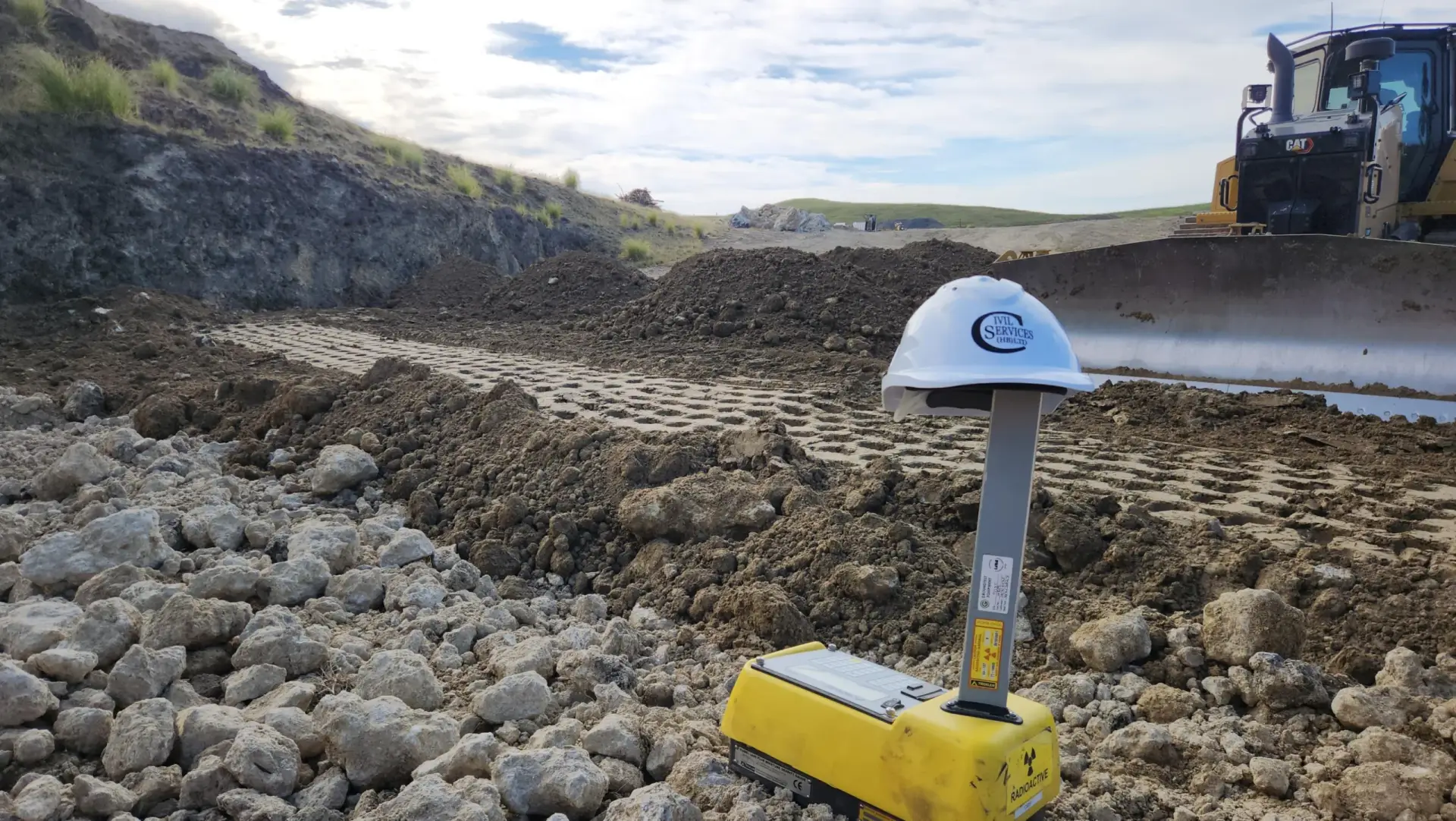

Successful construction depends on more than placing the right materials. Those materials must also be prepared, placed and compacted correctly.
As an IANZ-accredited testing provider, Civil Services delivers reliable field quality assurance testing backed by recognised standards and proven testing procedures.
Our field quality assurance testing services provide on-site verification that earthworks, building platforms, roads and other civil works are meeting the required engineering specifications.
We work with contractors, developers, engineers and project managers throughout construction, providing accurate testing and clear results at the stages when they are needed.
Field testing can help confirm that the work is suitable to proceed, identify areas requiring further attention and provide the records needed for engineering or council approval.
Our Field Quality assurance Services
Earthworks compaction testing confirms whether placed fill has been compacted to the required density.
This is an important part of subdivisions, building platforms, retaining walls, stopbanks, commercial developments and civil infrastructure projects.
Poorly compacted fill can settle, move or lose strength over time. This can create problems for anything constructed above or alongside it.
Our team tests the material in place and compares the results with the relevant laboratory data and project specification.
We provide field compaction testing for road formation, pavement layers and granular materials used in public and private roading projects.
Field testing can confirm whether natural ground or engineered fill beneath a house pad or commercial building platform meets the requirements set by the project engineer.
Testing engineered backfill during construction helps confirm that the required compaction is being achieved and reduces the risk of future settlement or movement.
The results are compared against the material’s laboratory-determined maximum dry density to establish how effectively it has been compacted.
It may be used to evaluate exposed natural ground, prepared subgrades or placed materials during earthworks and construction.
This testing can help engineers determine whether the ground is suitable for the proposed work or whether further excavation, replacement or treatment may be required.
It provides an indication of ground strength and can help identify changes between soil layers or areas of weaker material.
Samples may be collected before construction begins to determine whether a proposed material is suitable, or during construction to verify the properties of the material being used.
Testing too late can mean waiting for laboratory results, reopening completed work or delaying the next stage of construction.
Where possible, we recommend identifying proposed materials early and completing the necessary laboratory testing before bulk earthworks or construction begins.
This creates a smoother process by ensuring the relevant reference data is ready when field compaction testing starts.
Contact our team early so we can understand the project specifications, coordinate the required laboratory testing and provide field quality assurance throughout construction.
Let’s Discuss Your Project
Every successful project starts with the right advice.
Whether you’re still exploring options or ready to begin construction, we’d be happy to discuss your requirements and recommend the most practical path forward.
Contact Civil Services (HB) Ltd today to speak with one of our experienced engineers or project specialists.